Micronutrients Men Most Commonly Miss — An Editorial Overview
Editorial team, Bralton
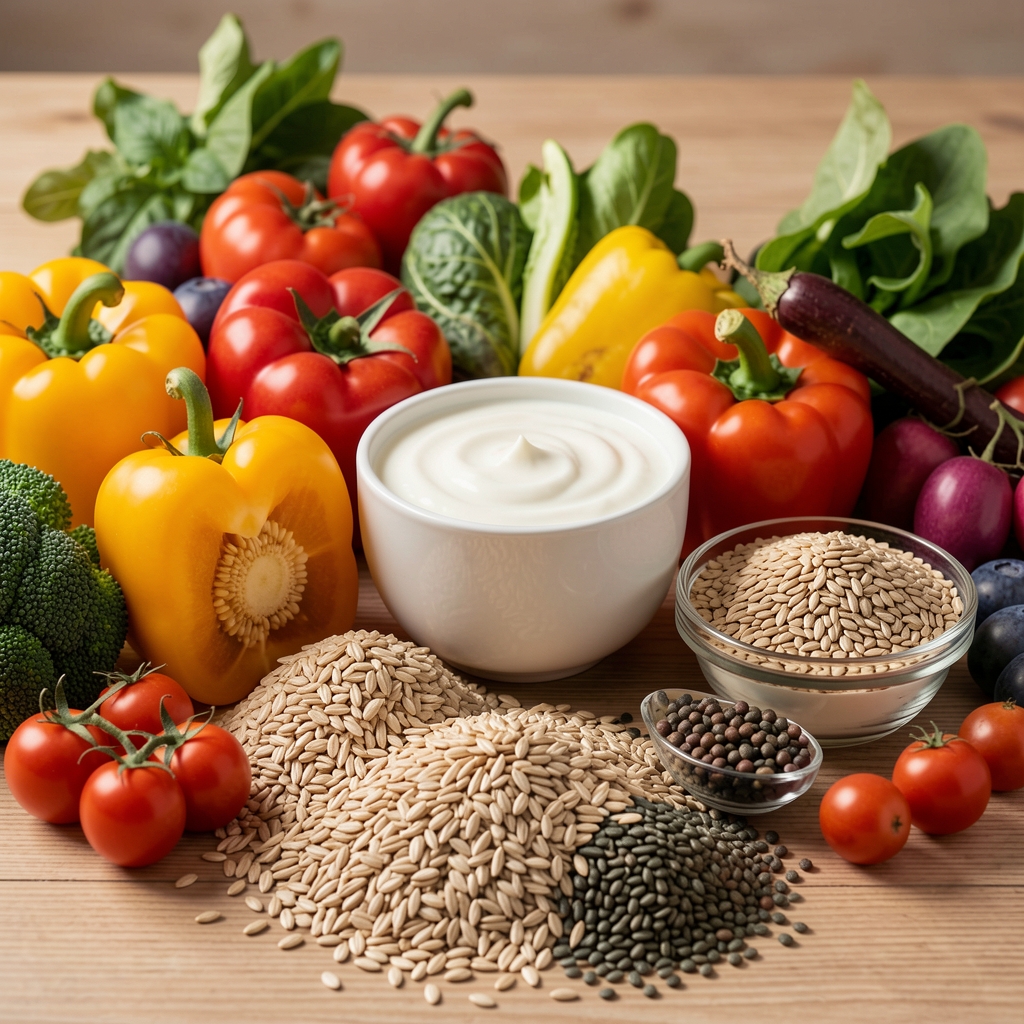
Micronutrients are vitamins and minerals needed in smaller amounts than carbohydrate, fat or protein. "Commonly miss" is a useful editorial phrase, not a verdict about every man. Food access, appetite, culture, age and season influence what appears on a plate. This article explores familiar nutrients through everyday foods and label literacy. It also notes where broad population guidance should not be mistaken for an individual assessment. Evidence-informed nutrition begins with curiosity and a willingness to ask better questions.
Vitamin D and seasonal context
Sunlight, latitude, clothing and time outdoors all influence vitamin D discussions in the UK. Foods such as oily fish, eggs and fortified products can contribute to intake. Public guidance changes over time, so readers should use current UK sources and ask a professional about personal circumstances, particularly given that UK guidance often notes reduced sunlight exposure during autumn and winter months as relevant context for this specific nutrient.
Nutrients and where they commonly appear
Vitamin D
Oily fish, eggs and fortified spreads or cereals; sunlight exposure is also a relevant seasonal factor discussed in UK public guidance.
Iron
Red meat, beans, lentils and fortified cereals; vitamin C-rich foods eaten alongside plant sources may support absorption.
Magnesium
Whole grains, nuts, seeds and green leafy vegetables feature regularly in discussions of this mineral.
Iron, zinc and B vitamins
Meat, beans, lentils, whole grains, dairy foods and leafy vegetables all have roles in varied eating patterns. Preparation and combinations influence how meals are experienced. Zinc contributes to the maintenance of normal vision. This refers to the individual nutrient, not to any specific product. B vitamins as a group are similarly discussed across a wide range of foods, from wholegrain cereals to dairy and eggs, rather than being concentrated in any single ingredient.
Magnesium and the everyday plate
Whole grains, nuts, seeds and green vegetables are familiar sources. Magnesium contributes to the reduction of tiredness and fatigue. This refers to the individual nutrient, not to any specific product. A varied plate that includes a wholegrain portion alongside vegetables and a source of nuts or seeds touches on several of these nutrients within a single meal.
A simple label-reading checklist
- Check whether a figure is given per 100g or per portion before comparing two products.
- Look for the percentage of a reference intake shown on the back-of-pack nutrition table, where provided.
- Note that "fortified" means a nutrient has been added during manufacturing, which is worth knowing when comparing similar products.
- Remember that a single food rarely needs to meet an entire day's guidance figure on its own.
Common food sources at a glance
| Nutrient | Example foods | Common context in UK guidance |
|---|---|---|
| Vitamin D | Oily fish, eggs, fortified spreads | Seasonal sunlight exposure is discussed alongside diet |
| Iron | Red meat, lentils, fortified cereals | Often discussed alongside vitamin C for absorption |
| Zinc | Meat, dairy, wholegrains, pulses | Contributes to the maintenance of normal vision |
| Magnesium | Nuts, seeds, wholegrains, leafy greens | Contributes to the reduction of tiredness and fatigue |
Nutrient function statements reflect authorised general wording and refer to the individual nutrient, not to any specific product.
"A missed nutrient is rarely about one bad meal; it's usually about a pattern repeated across many weeks, which is exactly why small, repeatable changes tend to matter more than a single dramatic one."
— Editorial note from the Bralton team